

The TV series is over, you put on your pyjamas, switch off the lights and go to bed. Then you start to notice a background noise. A buzzing sound, a low hum or an intermittent vibration. Before long, you realise it is coming from your fridge. If you have ever wondered, “Why is my fridge making noise?”, you’re not alone. Sometimes it’s a gentle humming sound, while other times it’s a constant noise that gets louder and quieter throughout the day. In this article, we explain the most common reasons why a fridge becomes noisy and how to fix the problem, so it doesn’t keep you awake at night.

Why Is My Fridge Making Noise?
Noise can become a real issue, especially when it affects your sleep daily. The World Health Organisation (WHO) recommends environmental noise levels below 53 decibels during the day and below 45 dB at night. For comparison, a normal conversation is around 50 dB. A conversation like “hey, let’s go talk about politics” around the dinner table can easily reach 90 dB. An ambulance siren typically measures around 110 dB, while a live performance of Metallica’s Master of Puppets could reach up to 120 dB.
A fridge that is not working properly can produce noise levels of around 45–50 dB, which may be noticeable, particularly at night when background noise is lower. Several components inside a fridge can be responsible for unwanted noise, including the thermostat, door seals, compressor, cooling system and fan. However, installation and maintenance issues can also play a role. Below are the most common causes of fridge noise and how to identify them.
Is an Old Fridge Causing the Noise?
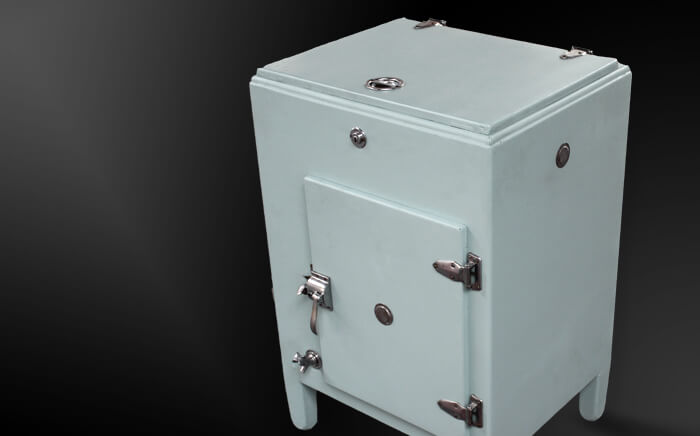
Older fridges tend to be noisier. Their energy efficiency is usually lower, as is their overall performance. While they may still be doing their job, they often consume more electricity and generate noticeably more noise over time.
If you think this could be the source of the problem, it may be worth considering replacing the appliance. Modern fridge models offer significantly improved energy efficiency and often operate at noise levels below 35 dB. Inverter technology has brought major improvements to household appliances, delivering better performance while running much more quietly. It is also worth remembering that if you have recently installed a new fridge, it may produce more noise than usual during the first 24 to 48 hours. This is completely normal, so there is no need to worry straight away.
Could an Uneven Fridge Be the Problem?
A fridge that is not positioned correctly on the floor can generate additional noise if it is not properly levelled. Start by checking the surface where the appliance is installed. If the floor is uneven or sloped, adjust the feet so that the fridge remains stable. This is a simple task that most homeowners can do themselves. If the area where you plan to place the fridge is particularly uneven, it is best to choose a different location. An unstable installation can affect both performance and the appliance’s lifespan.
Is Your Fridge Positioned Correctly?
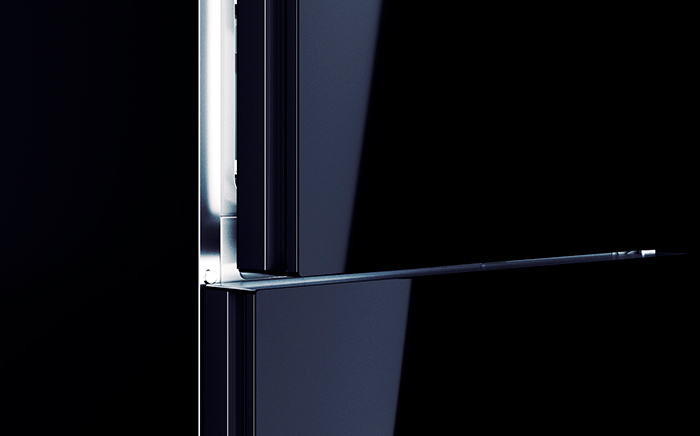
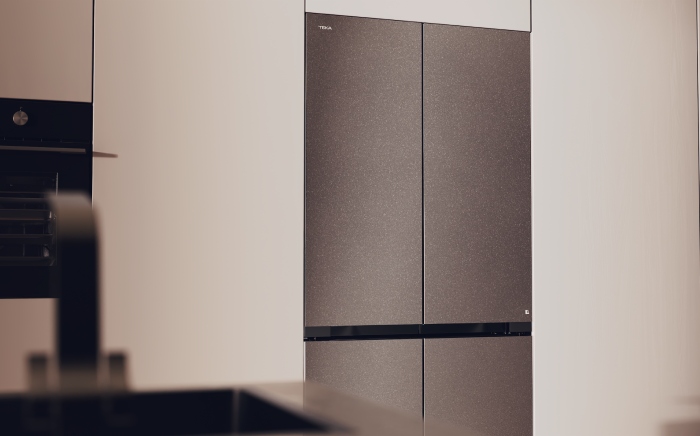
The issue is not always the floor itself. A fridge also needs enough space around it to operate efficiently. There should be at least five centimetres of clearance on the sides, at the back and above the appliance. The new slot-in fridges are very useful to solve this type of problem. The in-Line series by Teka provides fridges that just need 4 mm of side clearance. Proper ventilation helps the cooling system work correctly and prevents unnecessary strain on the components. It also makes it easier to move the fridge when cleaning underneath or behind it.
Are the Shelves Causing a Vibrating Noise?
If the noise sounds more like a vibration and you have already ruled out uneven flooring, the source may be inside the appliance. Check that all internal components, including shelves and drawers, are correctly installed. You can verify this using the user manual supplied with the fridge. Incorrectly fitted shelves can become damaged more easily over time.
Items stored inside the fridge can also be responsible. Bottles, jars or containers touching each other may create vibrating sounds that can easily be mistaken for a more serious fault. It is important to note that any of the previous issues can prevent the door from closing properly, leading to temperature loss inside the appliance and increased energy consumption.

Why Cleaning Your Fridge Matters
Food residues, liquid spills and everyday use can quickly lead to dirt build-up inside the fridge. Regular cleaning helps keep the appliance in the best possible condition and ensures it continues to operate efficiently. The same applies to the door seals. Dirt and debris can easily accumulate around the rubber gaskets, affecting the appliance’s normal operation. In some cases, this may result in unusual noises or vibrations that indicate something is not working as it should.

When Fridge Noises Are Completely Normal
Not every fridge noise is a sign of a fault. If the sounds are occasional and relatively quiet, such as gurgling, clicking or popping noises, they are usually part of the appliance’s normal operation. As different components switch on and off during the cooling cycle, they naturally produce certain sounds. In most cases, these noises are subtle enough to go unnoticed during everyday life.

However, if you notice significant changes in the usual sounds your fridge makes (whether they become much louder than normal or suddenly disappear altogether), it is worth checking that the appliance is cooling correctly, as this could indicate a developing issue.
Frequently Asked Questions About Fridge Noise
Is it normal for a fridge to make noise?
Yes. All fridges produce some level of noise during normal operation. Clicking, humming and occasional gurgling sounds are usually linked to the cooling cycle and internal components. In most cases, these noises are completely normal.
Why does my fridge seem noisier at night?
Background noise levels are generally much lower at night, making everyday appliance sounds more noticeable. If the noise has not increased and the fridge is cooling properly, there is usually no cause for concern.
How many decibels should a fridge produce?
Most modern fridges operate at around 35 to 40 dB. Older models or appliances with maintenance issues may exceed 45 dB, making them more noticeable, particularly in open-plan homes or during the night.

Can an uneven fridge cause noise?
Yes. If the appliance is not level or the floor surface is uneven, vibrations can occur while the fridge is running. Properly adjusting the feet can help reduce noise and improve overall performance.
Why is my fridge making a vibrating noise?
A vibrating noise can be caused by an uneven installation, incorrectly positioned shelves or items inside the fridge touching each other. It can also happen when the appliance is placed too close to a wall or surrounding furniture.
When should I be concerned about fridge noise?
If your fridge suddenly becomes much louder than usual, starts making unfamiliar sounds or shows signs of poor cooling performance, it may indicate a fault that requires further inspection or professional assistance.
Keep Your Fridge Running Quietly for Longer
Fridges are among the hardest-working appliances in any home. They run continuously and provide an essential service every day. Keeping your fridge in good condition helps maximise its performance, improve energy efficiency and extend its lifespan, allowing it to operate reliably and as quietly as possible for many years to come. By paying attention to unusual noises and carrying out simple maintenance checks, you can often prevent minor issues from becoming more serious problems in the future.