
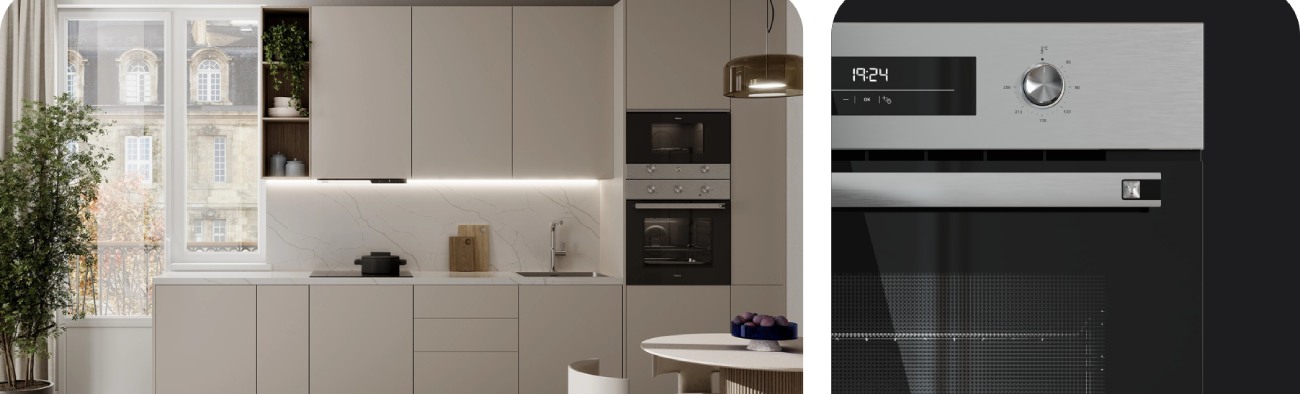
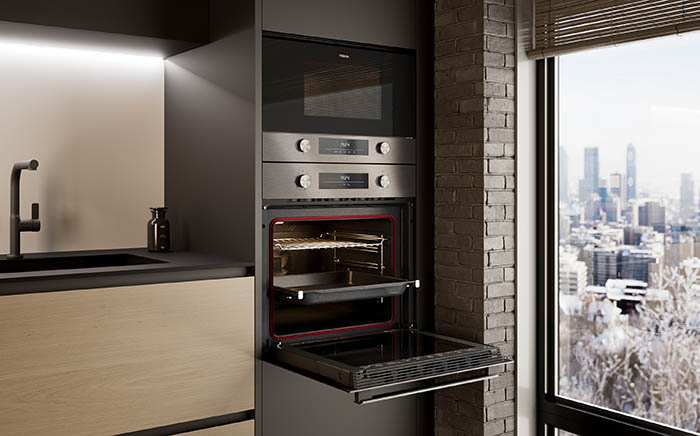
In the coming weeks, your oven is going to be one of your most beloved possessions. Together with the thank-goodness-it’s-always-there refrigerator, the oven is going to be working harder than ever in the holiday season. So it is a good time to come back to one of the messiest and undesirable tasks in a modern kitchen: cleaning. Cleaning the oven is one of those jobs we all try to avoid. It’s dirty, tiring, and usually involves bending into uncomfortable positions — if you ever need to rebuild your kitchen, consider choosing an oven placed in a tall unit next time. But we are here to show you how you can clean your oven easily by just following a few easy steps, and, why not, with a little help from your friends, the modern self-cleaning features.
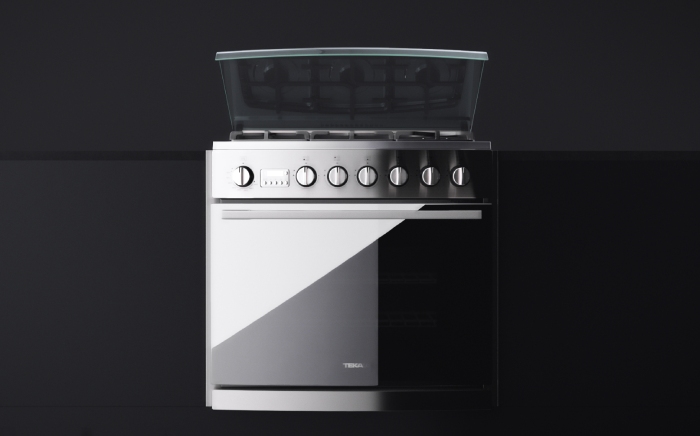
1. Cleaning after cooking: a must
Yes, we know you usually haven’t got enough time to clean the mess once you have finished your meal. But the truth is that cleaning the oven after every use is the best and most effortless way to keep it clean and ready at any time. Don’t you wash your plates, cutlery and hob every time you cook? Well, try to follow the same habit with the oven. Sometimes it is not just that you don’t want to, it is just that you forget about it: the outside always looks so clean!
The easiest way to maintain your oven clean is to stop dirt from building up in the first place. After cooking, when the oven is almost cold (but still warm), wipe the inside with a damp cloth or sponge. This helps remove small splashes of food and oil before they turn into smelly, burnt, stubborn marks.
Tip: Use a bit of washing-up liquid if needed, but avoid abrasive products that can scratch the surface.
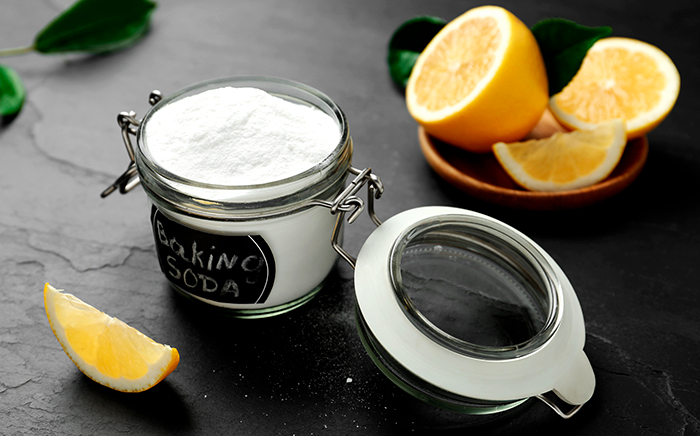
2. Use baking soda for natural and ecological cleaning:
If your oven isn’t too dirty, a simple homemade mixture works wonders:
- Mix 4 tablespoons of baking soda with a little water to make a paste.
- Spread it on the dirty areas.
- Leave it for a few hours (or overnight).
- Wipe clean with a damp cloth.
Baking soda helps soften burnt food without harsh chemicals and is perfect for an everyday, healthy, and more ecological approach to oven cleaning.
 lea
lea
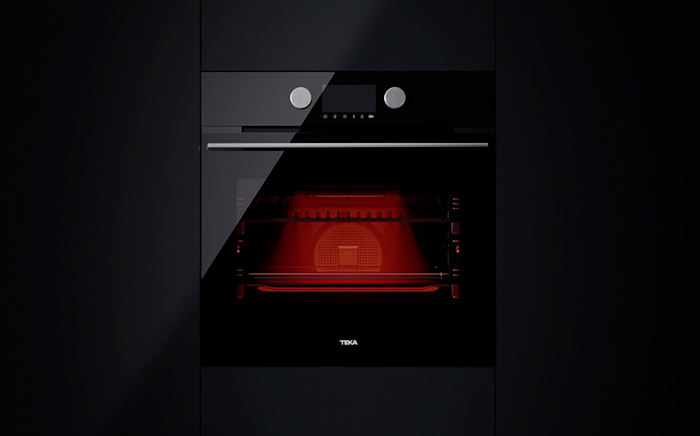
3. Let your oven do the job with pyrolysis
If your oven has a pyrolytic cleaning system, consider yourself very lucky, cause it’s one of the easiest ways to achieve a spotless interior. Pyrolysis works by heating the oven to very high temperatures (around 450–500°C). This extreme heat turns food residues and grease into fine ash. After the cycle, you simply wipe the interior with a cloth.
Why use pyrolysis:
- Leaves the oven deep-cleaned with almost no effort.
- No chemicals needed, only heat.
- Perfect for people who cook often or deal with heavy dirt.
- Cleans even the corners and areas you cannot reach by hand or far from sight.
It does use more energy than other methods, but the results are pretty good and convenient. The point here is not to think about pyrolysis as an everyday cleaning (see our first point above for that), but as something to do from time to time. If you use your oven often with greasy foods or similar, using pyrolysis once every 4-5 uses is ok. You can also choose among different levels of pyrolysis in some models: from level 1—1 hour, soft cleaning, to level 3—2 hours, intensive cleaning.
4. Steam for cooking, steam for cleaning
There is another kind of self-cleaning that works with a lower temperature than pyrolysis but is still quite efficient and convenient: steam cleaning. Systems like HydroClean —developed by Teka— clean your oven with less intensity but with all the benefits of heat and water to remove stains and dirt. It is usually gentler and quicker than pyrolysis, and it is designed for lighter messes, like a sort of regular maintenance. When the cleaning is done, you just need to wipe away the dirt.
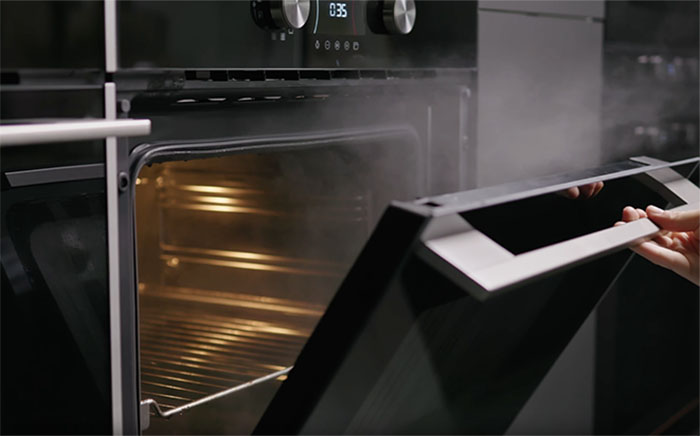
It works by adding some water following the oven’s instructions, pressing the right button and letting it go, like your hard feelings in a family meal. It needs less energy than pyrolysis and also less time: In about 30 minutes, your oven will be ready. Remember that both pyrolysis and steam clean the oven inside, but that does not include racks and accessories (keep reading for quick ideas about how to do that part).
5. The vinegar steam trick
Another trick worth trying involves a classic of daily cleaning: vinegar. How to do it?
- Fill an oven-safe bowl with water.
• Add a good splash of vinegar.
• Heat the oven to around 150 ºC for 25 minutes.
The steam will soften grime and grease, making wiping down much easier. It is not a miracle cleaning, but it does help, and even when the aroma is not the most pleasant, it will help you to remove stubborn stains without harsh chemicals. It also works with racks and trays.
6. Cleaning the oven: don’t forget the racks
Oven racks tend to gather grease like they’re collecting it as a hobby. The easiest way to deal with them:
- Pop them into the sink.
- Add hot water and some washing-up liquid.
- Leave them for 30-45 minutes.
- Scrub lightly and rinse.
If you’re feeling particularly heroic, add a tablespoon of baking soda too. Your future self will thank you.
7. The glass door: the part everyone pretends not to see
The oven door somehow manages to collect greasy fingerprints—there are some oven models with anti-fingerprints available, keep an eye on that—, mysterious splashes, and that long-forgotten cheese that escaped from your pizza. To clean it:
- Mix baking soda and water into a paste.
- Spread it on the glass.
- Let it rest for 15 minutes.
- Wipe with a soft cloth.
Avoid metal scrapers unless you want a modern “distressed industrial” (permanently) look.

A few extra tips to make cleaning an oven less painful
- Use a tray whenever possible to catch spills. Your future cleaning sessions will feel like a gift.
- Use baking paper or similar: it will help to keep the tray cleaner.
- Avoid foil directly on the bottom — it can damage the enamel. Use oven-safe liners instead.
- Ventilate the kitchen after cleaning, especially if you use strong products.
- And finally: treat yourself. Cleaning an oven is practically a workout. You’ve earned a biscuit. Or two.
With these simple tips, cleaning an oven can go from “absolutely not” to “surprisingly OK”. Whether you’re using natural methods, self-cleaning Jedi tricks, or simply giving it a quick wipe after cooking, a clean oven means better meals, fewer smells, and much less future stress. And a longer life for your oven. Happy cooking and even happier cleaning!