
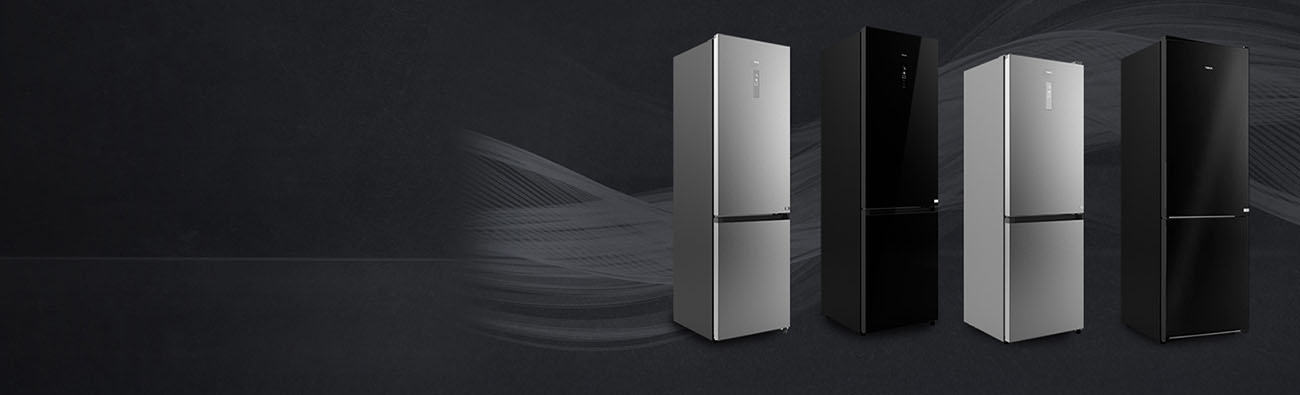
There are two types of people in the world: those who read the fridge manual and those who press buttons until something beeps. If you belong to the second group (we are many), you’ve probably landed on the right post. We’re going to take a quick look at what each function on a modern fridge actually does, when it’s worth switching on and how it affects your electricity bill. We will do it with examples from Teka fridges, because that’s where we come from, but also because they cover most of the innovations you can find right now in the world of kitchen appliances.
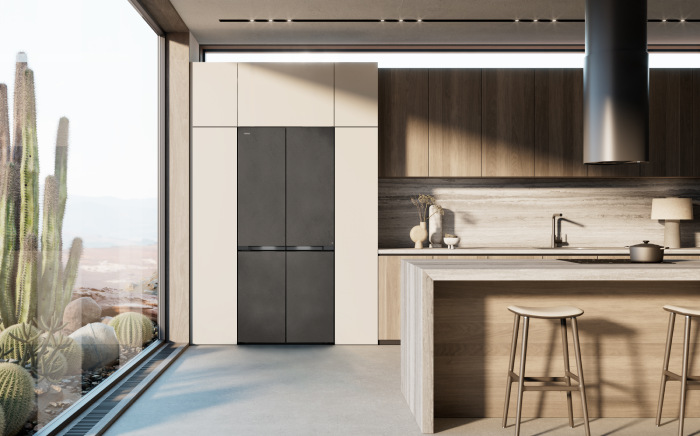
What are the functions of a modern fridge actually for?
At this point, a fridge is quite a bit more than the one keeping the drinks cold at your grandparents’ house every summer. It has become the indispensable appliance in any home (nearly all households in Europe and North America have one or more fridges), and it’s the appliance that spends the most time plugged in. On top of that, it regulates internal humidity to preserve each type of food, distributes air, separates zones by temperature and learns when to cool more or less. Knowing what each function does is the difference between throwing away half a kilo of fruit every fortnight or stretching the weekly shop by an extra week.
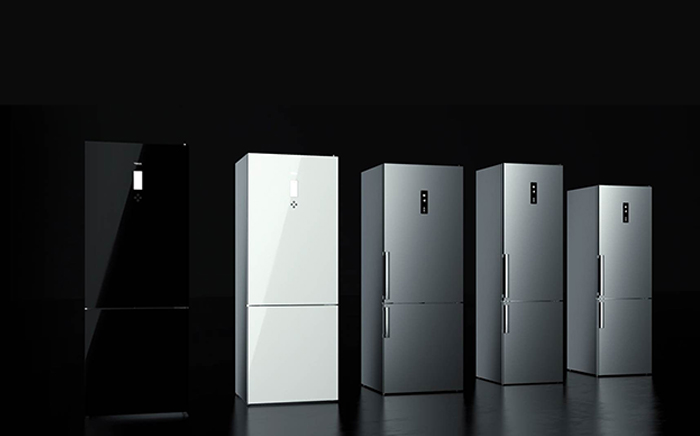
The difference between a basic fridge and one with advanced technology
A basic fridge with a freezer maintains a more or less stable temperature, and its cooling intensity is relatively adjustable depending on the season. In other words, it does the job. One with advanced technology distributes cold evenly, adjusts consumption based on actual use, keeps each food in the right zone under the best conditions and, above all, doesn’t need you hovering over it. The difference shows up in three main ways: less waste, lower consumption and less maintenance and effort on your part.
How the functions affect preservation and energy savings
Functions used well reduce consumption and waste simultaneously. A No Frost system eliminates the need for manual defrosting and scraping sessions every other week. Good air circulation means fewer minutes of the compressor running. And a well-adjusted compartment stops the freezer from working flat out just to chill a bottle of water. All the small details are relevant when it comes to energy use and make for a more efficient appliance overall.
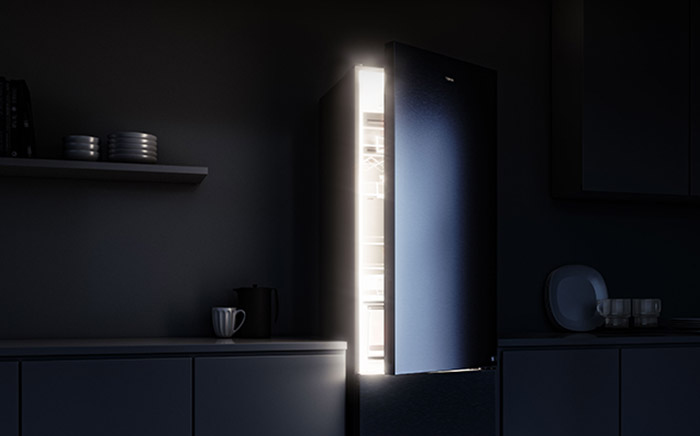
Temperature control: the most important function and the least used
In some fridge freezers, you’ll find a dial at the back, in others on the side: you’ll come across it in fridges from any brand. When you bought the appliance, you noticed it existed, but now you can’t quite remember where it is. Which is a shame, because it matters: depending on how it’s set, your fridge cools more or less according to the season. When the ambient temperature is 10°C, your fridge isn’t working nearly as hard as when it’s 30°C outside. Bear in mind that the dial, which typically goes from 1 to 5, doesn’t refer to degrees Celsius but to cooling intensity levels, where 1 is the minimum and 5 (or higher) is the maximum.
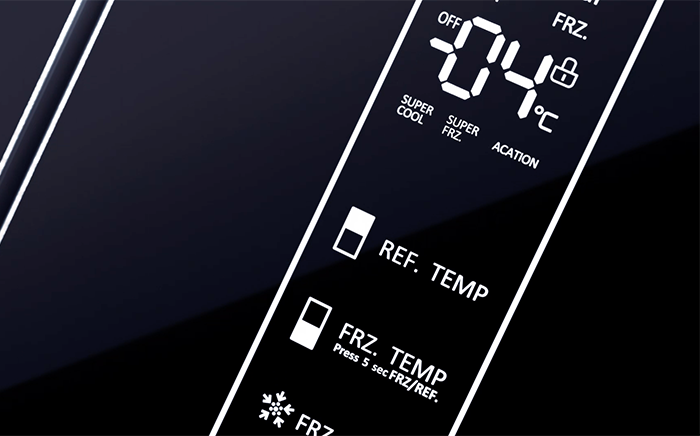
With Teka, all fridges come with a recommended and preset temperature, self-regulating as they go. You can see this on the digital displays, often located on the outside of the door or just inside it. But you also have the option to control these temperatures manually if you prefer, to personalise them according to your needs.
How to set the temperature correctly depending on the time of year
The recommended fridge temperature is between 4 and 5°C, and the freezer should be at -18°C. In summer, with a warmer kitchen, it’s worth lowering the fridge temperature by one degree (without overdoing it) to compensate for more frequent door openings. In winter, you can ease off. Going up or down one degree can mean up to a 5% variation in consumption, so it’s not a minor detail.
Don’t forget holiday mode. Not every fridge on the market has it. With Teka, you can select it, and the fridge compartment will sit at 15°C while the freezer stays at its -18°C. The idea is to leave the fridge empty without having to unplug it entirely, because if you do unplug it and forget, you’ll come home to an entirely new ecosystem living on every shelf.

Temperature zones: what they’re for
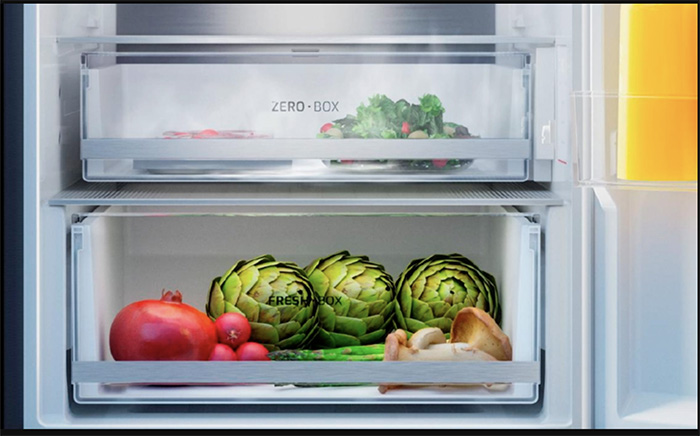
Not everything keeps well at the same temperature. Meat and fish need close to 0°C; fruit and vegetables prefer something slightly warmer; dairy sits in the middle. Modern fridges integrate zones such as the Cooling Box (between 0°C and 3°C) or the VitaCare Box and FreshBox for controlled humidity. The FreshBox system reduces airflow to prevent vegetables from drying out, so even your half lemon has a chance.
What does independent fridge/freezer temperature control mean
DualTemp Control technology keeps two independent working cycles for the fridge and freezer. The upside? Opening the fridge doesn’t affect the freezer and vice versa. It also puts an end to cross-contamination of smells and flavours (ice cream that tastes faintly of last night’s leftovers is a classic nobody will miss).
TotalNoFrost: no frost and no manual defrosting
How Teka’s TotalNoFrost system works
Teka’s TotalNoFrost system is one of our favourite innovations: it eliminates moisture before it turns into frost and builds up on freezer food and walls. This is achieved through the circulation of dry, cold air throughout the interior. So you can say goodbye to Sunday afternoons defrosting the freezer with a hairdryer.
What advantages does it have over static cold systems?
| Aspect | Static cold | TotalNoFrost |
| Frost | Yes, manual defrosting required | Does not form
|
| Temperature | Variable depending on height | Uniform throughout
|
| Food preservation | Good | Uniform throughout
|
| Maintenance | Manual and periodic
|
Zero defrosting |
|
Noise
|
Quiter | Slight fan hum |
How much space and energy does it save in practice?
By not accumulating ice, the freezer retains its full useful capacity for years. And by maintaining more stable temperatures, the compressor starts up less often. The actual gain depends on the model, but the improvement in convenience is immediate. And in all honesty, given the usual methods people use to defrost and remove frost, having a system like TotalNoFrost generally extends the life of the appliance.
AirFlow Control: cold that reaches every corner
Why air circulation matters for better preservation
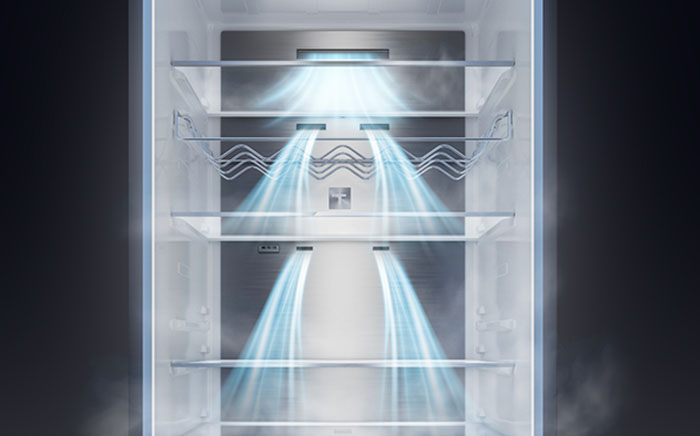
Without circulation, cold stays where it falls. AirFlow Control distributes cold air evenly across every shelf, preventing the top shelf from sitting at 6°C while the bottom is at 2°C. It eliminates temperature fluctuations, and that has a clear impact on how fresh your food stays.
How to activate and configure AirFlow Control
On models that include it, it works automatically from the moment you plug the fridge in. There’s nothing to adjust. The only thing to bear in mind: don’t block the air vents with oversized containers pressed against the back. That’s the equivalent of closing the radiator valves and then complaining it’s cold.
FreshBox: specific preservation for each type of food
What the FreshBox drawer is and which foods it’s ideal for
The FreshBox reduces airflow and prevents fruit and vegetables from drying out. Lettuces don’t go limp, peppers don’t wrinkle, and blueberries last as long as they should (not as long as luck decides). A compartment like this helps preserve nutrients for longer. Given the kind of lives we lead (eating at home three days in a row and then not setting foot in the kitchen for anything more than a coffee), it’s reassuring to know you won’t have to throw out half the fridge every week depending on how your work and social calendar is playing out.
Screenshot
How to combine FreshBox with the rest of the fridge zones
One approach that works well is to divide things up as follows:
- FreshBox: for fresh fruit and vegetables.
- Cooling Box: for meat, fish and cold cuts.
- Middle shelves: for dairy and opened preserves.
- Door: for drinks and sauces (the warmest zone due to how often it opens, which is why eggs don’t belong there).

Reversible door: the function most people underestimate
When it really makes a difference
Narrow kitchens, moving house, renovations, impossible corners. The reversible door lets you change the opening direction so the fridge fits any space without requiring you to redecorate half the kitchen. A subtle feature… until the day you actually need it.
How to change the opening direction on a Teka fridge
The process usually involves following the user manual step by step: removing the top hinges, turning the door, and repositioning the screws on the opposite side. Half an hour’s work, no engineer required.
Functions on the new Teka In-Line and Built-in Max fridges
This is where things get interesting for anyone thinking about buying.
What the In-Line range offers beyond good looks
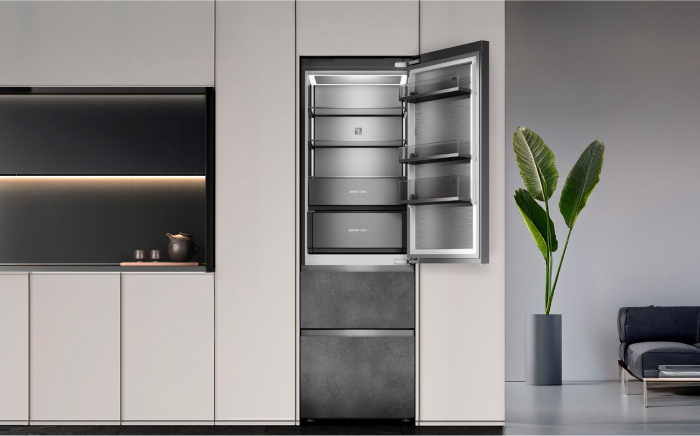
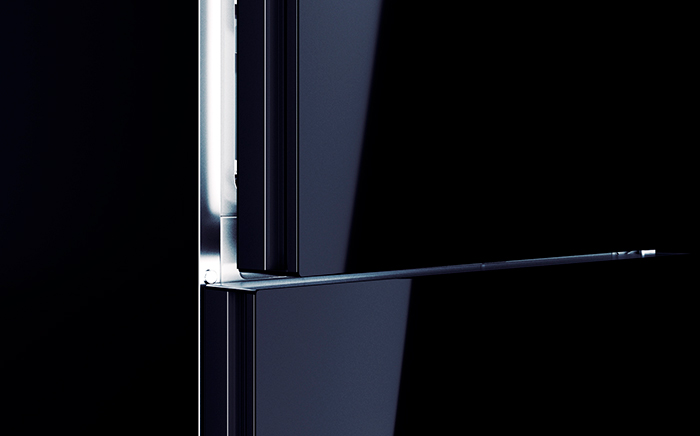
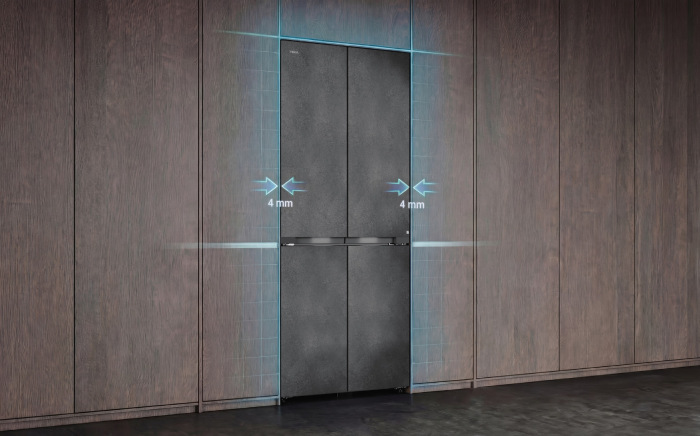
The In-Line range is a slot-in fridge: this one fits flush with kitchen furniture, with minimal gaps at the sides and none of that awkward step you get between a standard fridge and the cabinet next to it. It’s a perfect fit. They have a depth of 600mm and orbital hinges that allow the door to open to 90° even when placed right up against a wall. Some models also include technologies that sit at the forefront of appliance innovation, namely:
BioPure Zone: an area inside your fridge that reduces purines in fish and seafood by up to 50%. Purines are produced as freshness deteriorates, leading to higher histamine levels and, for some people, more uric acid. Temperature is maintained between 1.5°C and 3°C.
AntioxZone: a drawer designed to naturally preserve the antioxidants and nutrients in fruit and vegetables, using a combination of red and blue light technology.
UltraFreeze Box: capable of maintaining food at -30°C.
Some models also feature IonGuard technology, which works to protect food from cross-contamination of odours and prolong its life under the best possible conditions, also helping to maintain hygiene inside the fridge by slowing bacterial growth.
Built-in Max: maximum capacity with the same advanced functions
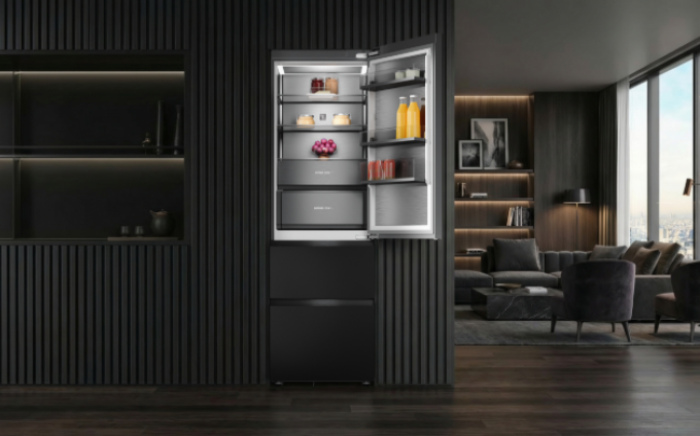
The Built-in Max range is designed for full column integration in the kitchen and offers up to 33% more capacity than standard built-in models, with installation in six steps and no specialist tools required. Same family of technologies: TotalNoFrost, AirFlow Control, MetalCooling, FreshBox and an inverter compressor with a 10-year guarantee.
Why choose a next-generation Teka fridge
Because they bring together in a single appliance what used to require several separate compartments, or even more than one appliance, such as a free-standing freezer. The functions, used well, do the work for you. You’ll notice quite clearly how your food lasts much longer, and your appliance stays in better condition for longer, too. There’s also an aesthetic dimension: a much cleaner, better-integrated look in the kitchen, without going as far as a fully panel-ready, built-in model.
Frequently asked questions
What temperature should I set my fridge and freezer to? Fridge between 4 and 5°C; freezer at -18°C. Adjust by one degree in summer if you open the door frequently.
Does Teka’s TotalNoFrost use more energy than static cold? Not significantly. The fan does add a small amount of consumption, but this is offset by maintaining more stable temperatures and eliminating the frost that reduces efficiency over time.
Does AirFlow Control make more noise than a conventional system? Slightly. We’re talking about a gentle hum (around 37 dB on models such as the RMF 87870), comparable to a quiet conversation. Most people stop noticing it within a couple of days.
Can I activate several functions at once without affecting consumption? Yes. The functions are designed to work together and the inverter motor modulates power according to actual demand.
How do I know if my Teka fridge has all these functions? The product spec sheet on the Teka website lists them in full. If you’re not sure of the model, it’s printed on a label inside the fridge, usually on the left-hand side. And if you still can’t work it out, nothing beats asking one of our specialist sales staff in store: they’ll point you in the right direction.
In the end, getting to know your fridge is a bit like reading the manual: nobody does it until they have to. But when you do, you realise your fridge has probably been capable of a lot more than you’ve been asking of it. And making it work better doesn’t always mean buying a new one: sometimes it just means understanding the one you already have. With an appliance that is plugged in every single day of the year, that’s worth knowing.