
Being a kitchen pro goes beyond just knowing your way around the hob. As if making your recipes actually taste of something wasn’t enough (or keeping your knives sharp, which is already something of a miracle), we’re also here to tell you that you need to get on top of your oven dishes. Because the oven dishes you use for cooking are no small matter, and they can make all the difference to your results. In fact, it’s worth knowing which oven dishes will work best for you and why. The consequences of getting it wrong can range from strange flavours in your food to ruining the recipe, or even the appliance itself. If that’s not enough to keep you reading, we really don’t know what is.
The “oven-safe” label
These days, oven dishes come properly labelled and identified (with little pictures too, for those who aren’t big on reading the small print). Among the many things you’ll find when buying an oven dish, one of the most important is whether it’s oven-safe or not. Going through a product’s specifications before you buy is never a waste of time, and it’s a good way of making sure you only buy what you actually need. Chances are, it will even tell you the maximum temperatures you can use it at.
Over the years, there has been a noticeable shift in the quality and durability of materials used in oven dishes. This has gone hand in hand with a growing awareness of what we’re putting in our mouths and whether it’s good for us —not just what we buy, but what we cook and how we cook it. So finding the right oven dish for your needs shouldn’t be too much trouble.
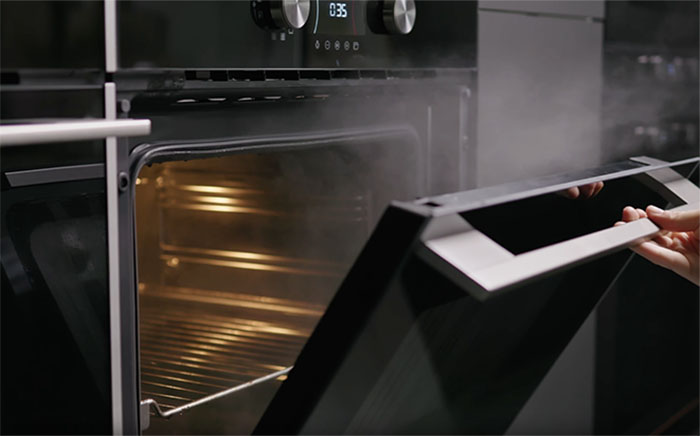
Metal: long live metal and its oven dishes
Metals are, generally speaking, excellent conductors of heat, which is precisely why oven trays and racks are made of the stuff. They handle high temperatures very well and barely deteriorate over time, which makes metal oven dishes a thoroughly solid choice. Many of the oven dishes you already know and love are made of metal: cocottes, ramekins, cake tins, tart cases and quiche dishes. The most common metals used are the ever-reliable stainless steel, aluminium, cast iron and enamelled iron.
Advantages
- Excellent heat conductor: heats up quickly and evenly, giving you that beautifully uniform golden finish.
- Highly resistant to high temperatures, even in ovens with an air fryer or grill function.
- Light and easy to handle, especially aluminium.
- Metal oven dishes with a non-stick coating make releasing and cleaning a breeze.
Disadvantages
- Some metals can react with acidic foods (tomatoes, lemon, vinegar) and affect the flavour.
- Uncoated aluminium can warp with prolonged use or at very high temperatures.
- Not suitable for microwaves, which limits how versatile it is.
- Dark-coloured oven dishes absorb more heat and can burn the base of cakes or biscuits if you don’t adjust the temperature (worth keeping an eye on that one).
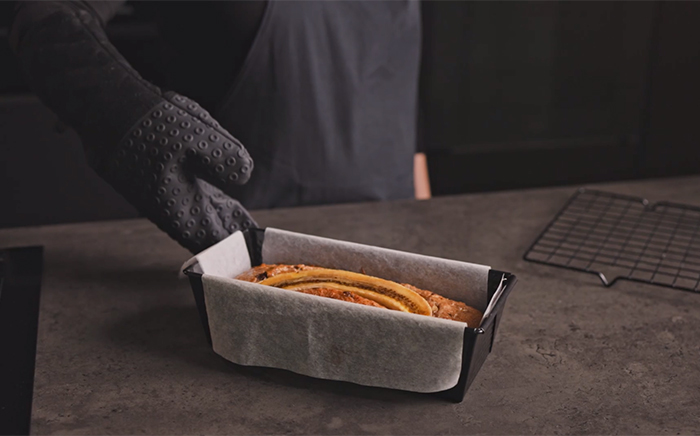
Glass oven dishes: almost unbreakable versatility
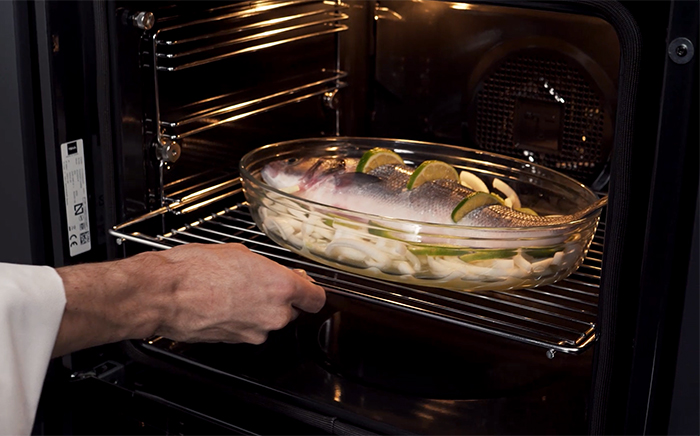
If you own a lasagne dish or regularly roast chicken and fish in the oven, you already know that glass can go in, but you probably also know it has to be a special kind of glass. We’re talking about tempered glass or Pyrex, which takes its name from the brand that made it famous. It’s made from borosilicate and is designed to resist the high temperatures of an oven without breaking a sweat.
But glass oven dishes aren’t just for the oven: they work in the microwave too, they’re highly scratch-resistant and incredibly easy to clean. This type of glass, combined with metal, is also the main material used in oven steam cooking kits. It’s the kind of oven dish that survives move after move without complaint.
Advantages
- Completely inert: it doesn’t react with any type of food.
- You can check on your food without opening the oven.
- Retains heat very well once hot, making it ideal for gratins and dishes served straight to the table.
- Easy to clean and doesn’t hold on to smells or flavours.
- Freezer-safe, which makes it great for cooking ahead.
Disadvantages
- Takes longer to heat up than metal oven dishes, which can add to your cooking time.
- Sensitive to sudden changes in temperature: going straight from the freezer to a hot oven can shatter it if it isn’t borosilicate glass.
- Heavier and more fragile than other materials.
- Not the best choice if you’re after a crispy base or a deep golden finish.
- Recipes written for metal oven dishes may need the temperature to be dropped by around 10–15°C when using glass.
Clay oven dishes: tradition and flavour
Clay or terracotta is another material you’ll find in many classic oven dishes. That said, it does require a little preparation before use to stop it from deteriorating, cracking or leaving an unwanted taste in your food. It’s one of the materials we most closely associate with traditional cooking. Though let’s be honest, it’s not the most practical option for everyday use, and it’s not all that common in most homes these days. What it does do, however, is add something a little different to your recipes. And you don’t need large roasting dishes to enjoy it either: a set of individual clay pots is all you need to knock up a lovely baked egg dish.
Curing your clay dish before first use is essential. Here’s one way to do it:
- Submerge it in water for around eight hours.
- Dry it thoroughly.
- Rub a cut clove of garlic all over the surface.
- Fill the dish with water and add half a glass of vinegar.
- Place it on the hob and bring to a boil.
- Reduce to the lowest heat and remove from the hob once roughly half the liquid has evaporated.
- Once cool, wash well with water and a mild washing-up liquid.
- Dry thoroughly and store.
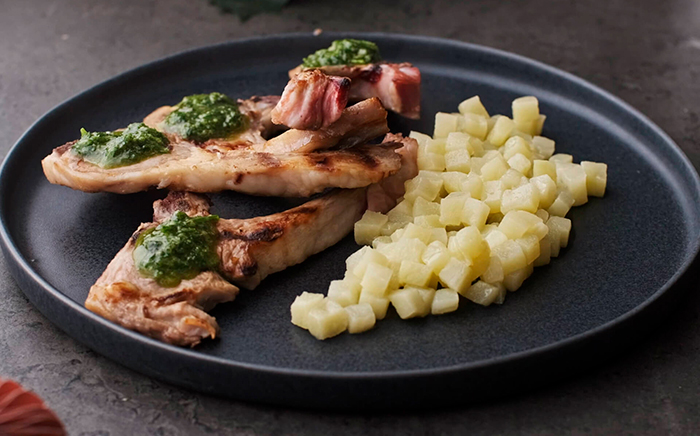
Advantages
- Distributes heat slowly and very evenly. It’s ideal for stews, casseroles and long, slow cooks.
- Retains heat for a long time, so dishes arrive at the table hot and stay that way.
- Adds a distinctive flavour that many cooks consider irreplaceable, especially in traditional recipes.
- Looks beautiful and goes straight from oven to table.
- Sustainable and completely natural.
Disadvantages
- Requires curing before first use to prevent cracking.
- Very sensitive to sudden temperature changes: never go straight from cold to a hot oven.
- Fragile, so handle with care.
- Absorbs liquids and grease over time if unglazed, which can make cleaning tricky and affect flavours.
- Must be placed in a cold oven and heated gradually.
- Heavy and bulky.
Stone oven dishes: the secret to that perfect crispy finish
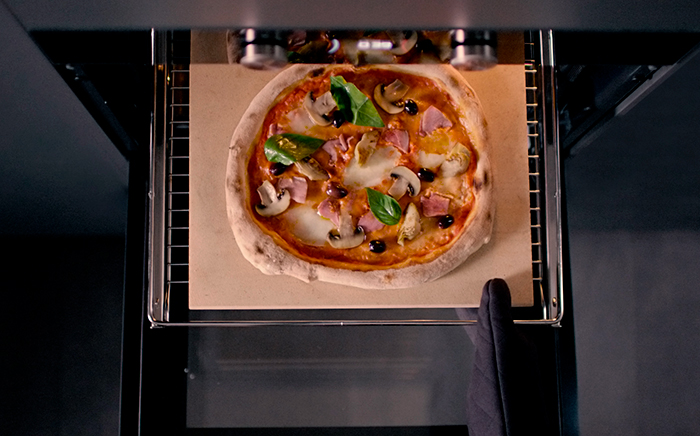
Stone is an even better conductor and more resilient than clay, which makes it the perfect choice for certain types of cooking. It’s no coincidence that it’s become a staple for homemade pizza. Stone oven dishes also work brilliantly if bread is your thing, or for cooking meat and fish directly on the surface (classic stone-grilled meat).
Advantages
- Accumulates and distributes heat exceptionally well.
- Ideal for pizzas, breads and doughs: creates a crispy base.
- Once hot, it maintains a very stable temperature throughout the entire cook.
- Needs no oil or non-stick coating for most uses.
- Long-lasting if looked after properly.
Disadvantages
- Needs preheating for at least 30–45 minutes inside the oven before use.
- Heavy and awkward to handle.
- Extremely sensitive to sudden temperature changes: never expose it to cold water when hot.
- Requires dry cleaning or very little water and no washing-up liquid to preserve its porosity.
- Takes up a fair amount of space both in the oven and in storage.
Silicone oven dishes: flexibility without the fuss
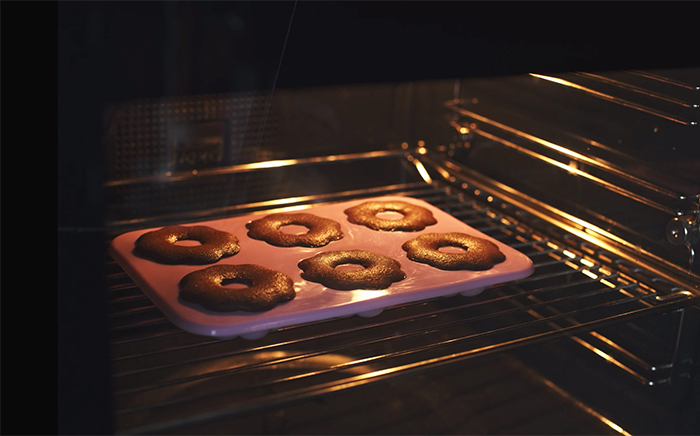
Silicone is the newest material on the block and something of a revolution in the world of oven dishes. As well as being suitable for both oven and microwave, silicone moulds are flexible — which makes releasing your bakes effortless — and they won’t scratch or crack. Most bun and cake moulds are made from this material, so if baking is your thing, chances are you’ve already got a drawer full of silicone oven dishes.
Advantages
- Naturally non-stick: food releases immediately and without any effort.
- Flexible, making both releasing and storage a doddle.
- Very light and easy to handle.
- Handles a wide temperature range, generally from -60 °C to 230 °C, so it works in the freezer and the oven alike.
- Doesn’t react with food and is easy to clean, even in the dishwasher.
- Perfect for moulds with complex or highly detailed shapes.
Disadvantages
- Doesn’t conduct heat well, which means longer cooking times and virtually no browning.
- Unstable when filled with liquid batter: always place it on a rigid metal tray before putting it in the oven.
- Quality varies enormously between brands — low-quality silicone can warp or release odours at high temperatures.
- Not suitable for anything that needs a crispy base or a golden crust.
- Can absorb odours over time if it isn’t good-quality food-grade silicone.
What can’t go in the oven
Your oven is an appliance that should last you a lifetime, but only if you treat it right. One of the best ways to do that is to avoid oven dishes that could cause damage:
- We said earlier that metal is fine, but there’s one exception: any metal oven dish with plastic handles or grips. Make sure you only use ones that are entirely metal, with no plastic parts whatsoever. Also, avoid any dishes with rust or damaged non-stick coating — these can release toxic particles.
- Plastic is an absolute “no”. That means no tupperware and no ordinary storage containers of any kind.
- On the subject of glass, a quick word of clarification. Tempered glass is perfectly fine, but ordinary glass cannot withstand high temperatures without cracking. Anything above 100 °C will cause it to deteriorate, so it’s only suitable if you’re cooking at very low temperatures.
- Porcelain and earthenware can technically be used as oven dishes since they handle high temperatures reasonably well. The real problem is the decoration. Most paints and glazes break down under extreme heat, and the result could actually make your food toxic.
- Wood and bamboo. They simply can’t handle the heat, and they’ll come out charred at best, or go up in flames at worst.
- Aluminium foil on top of things? Absolutely fine. As an oven dish? Not a good idea: it doesn’t distribute heat evenly and it is not its job to do it.
Your oven can bring you a great deal of joy, but it’s worth taking the time to understand how to use it properly. Getting to know its temperatures, timings and the oven dishes that work best for you is just a matter of time and practice — there’s no great secret to recipes that turn out brilliantly. Well, except perhaps love. Lots of love. It always makes everything taste that little bit better.