
A renovation, wear and tear, a breakdown… There can be plenty of reasons to replace a fridge. We grow so attached to what we have at home that many an old fridge ends up living a second life somewhere else: in another household or a holiday home. And when the choice also means buying an integrated fridge, whether for the first time or as a replacement, it becomes even more interesting. The model you pick shapes how you organise your kitchen, how you keep foodfresh and even what you end up paying on your energy bill. So it is worth spending a few minutes doing your research, because things have changed a great deal…for the better.
This guide covers much of what you need to know to work out which model suits you best. Quick answer: if you are wondering how to choose an integrated fridge, the key things to look at are usable capacity, the type of installation, energy efficiency, the food-preservation systems and how easy it is to use day-to-day. Now let’s walk through the why behind each one.
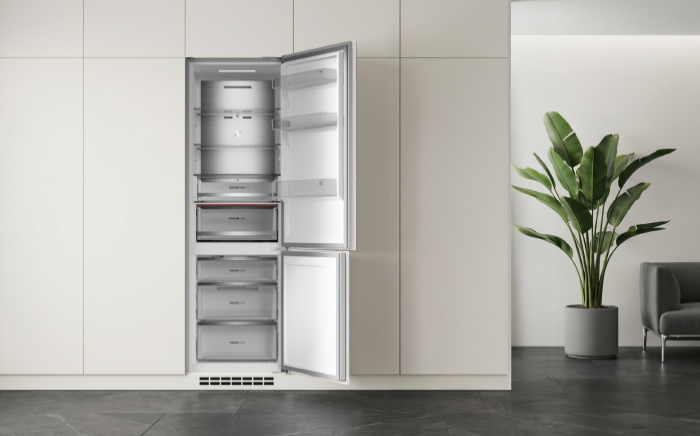
What is an integrated fridge? Is a slot-in an integrated fridge?
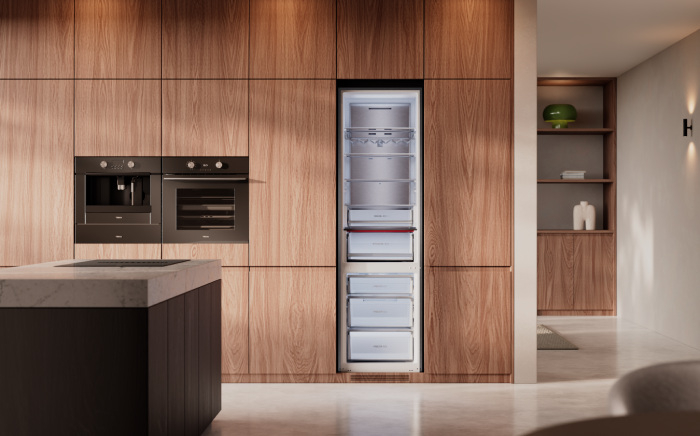
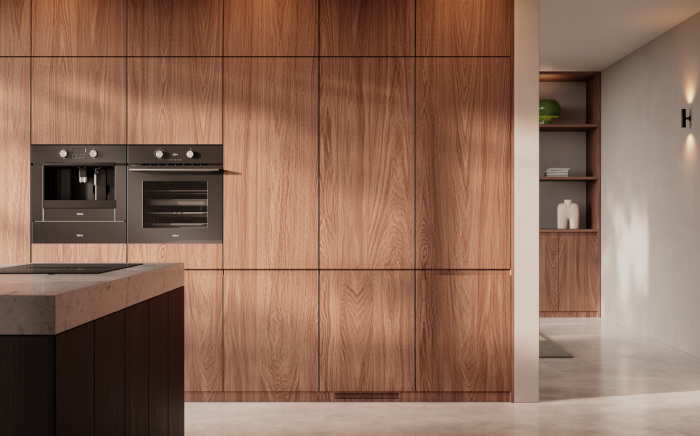
Although the terms are sometimes used together, they are different concepts and different solutions for your kitchen. An integrated fridge is designed to sit hidden behind the same finish as the rest of your units, usually inside a cabinet of set dimensions. Put another way: walk into the kitchen and you cannot tell from the outside where the fridge actually is. The result is a kitchen that looks seamless, clean and elegant.
Built-in models (another term you will have come across) are also a form of integration. However, some elements here stay in view, such as the controls or the fridge door itself: there is no mistaking where the appliance is. Visually, they still fit the clean, uniform line we mentioned, especially if you add panels matching the colour of the other units.
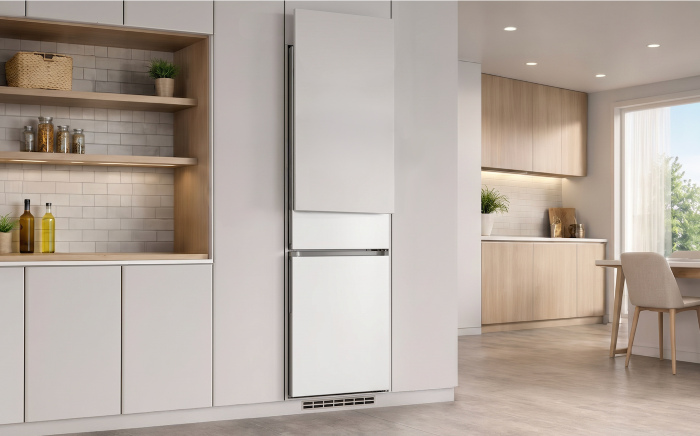
A slot-in fridge, by contrast, stays visible, though it is built to be installed between units, with little gap. It is a freestanding solution that works really well when you want a degree of visual integration without hiding the appliance completely. Teka’s In-Line fridges make such efficient use of the recess meant to house the appliance (just 4 mm on each side) that they create a sense of complete continuity across the kitchen. They go a step beyond a standard freestanding fridge, sitting more neatly within the traditional recess and making better use of the available space.
Style and space: an integrated fridge, inside and out
When it comes to looks, the integrated fridge tends to be the favourite in contemporary kitchen projects. For years, though, it carried one small drawback: it was assumed that building the appliance in meant giving up interior capacity. As you might guess, that Achilles’ heel is no longer an issue.
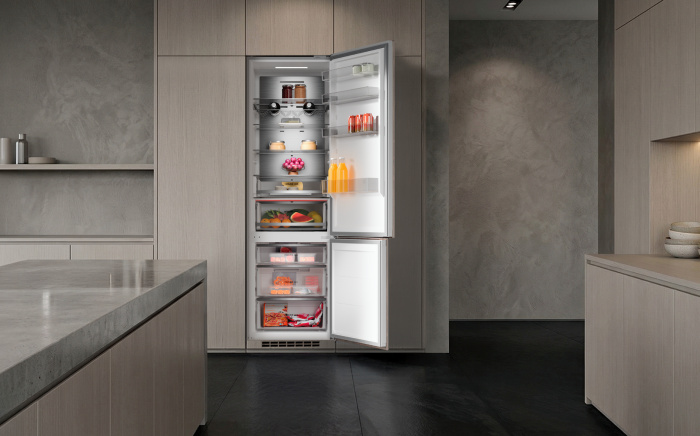
A natural evolution in design and engineering, focused on solving real problems for users, has made it possible to develop integrated fridges that make far better use of every available centimetre. And, let’s be honest, partly because kitchen spaces tend to be on the small side and you have to make do.
For those with metres to spare and for those who have rather less and treasure every last centimetre, Teka created the Built-in Max range. It is designed to offer much greater interior space without changing the exterior dimensions. The result is a kitchen that keeps its visual harmony without leaving you sighing in despair every time you come back from the supermarket and have to find room for the shopping. These are models that sit somewhere between the ease of a freestanding fridge and the integration we already knew.
What they don’t usually tell you
Two integrated fridges can have exactly the same external size yet offer very different interior capacity. The key lies in how the insulation has been designed, how the compartments are laid out and how well the space is used. It all counts, and you should weigh up the features that matter most for your particular case. So when you sit down to look at your options for buying a new fridge, have your tape measure ready. Look closely at the dimensions given on the labelling, and check with a professional if anything is unclear.
Key things to consider before choosing your integrated fridge
As a guide to what to look for when buying a fridge, these are the aspects that will make the difference over your next few years living with the appliance. Because you don’t buy a fridge every day, but you do open it a few dozen times… every day:
Capacity and interior space
The capacity of an integrated fridge tends to be the first thing we check. And rightly so. It is worth going a step beyond the number of litres listed on the spec sheet. Look at the usable capacity, that is, how much space you can genuinely make the most of inside, almost as you would with a flat.
A well-designed fridge lays out the interior better, makes organising easier and lets you store large containers without having to juggle things just to get the door shut. Because we have all had that moment of trying to fit a whole watermelon in, thinking “there’s bound to be room” (mental note: check how flexible the interior shelves are).
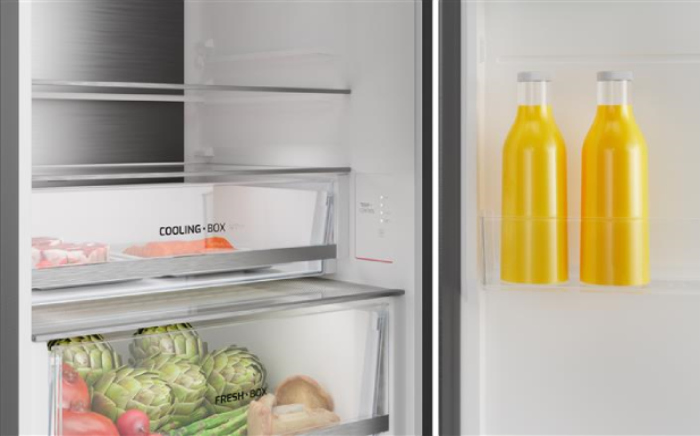
The latest generations of integrated fridges have made a real leap forward on this point. Thanks to an optimised interior design, models like Teka’s Built-in Max range manage to offer up to 33% more capacity, which can mean as much as 82 additional litres compared with other integrated fridges. If there were an awards ceremony for fridges, this one would walk away with the top prize for capacity. That means more room for the weekly shop, less of that overcrowded feeling and far more comfortable organisation.
Before you decide, think about your lifestyle too.
- If you are a couple, you probably won’t need the same volume as a family with three children.
- If you cook several days’ meals at once, you will appreciate roomy shelves and spacious drawers that keep food well in containers of all shapes and sizes.
- If you do one big shop a week, every extra litre will end up being a small gift. It may even stretch the time between shops, especially compared with your old fridge, because food keeps for much longer.
Type of installation: fixed or freestanding
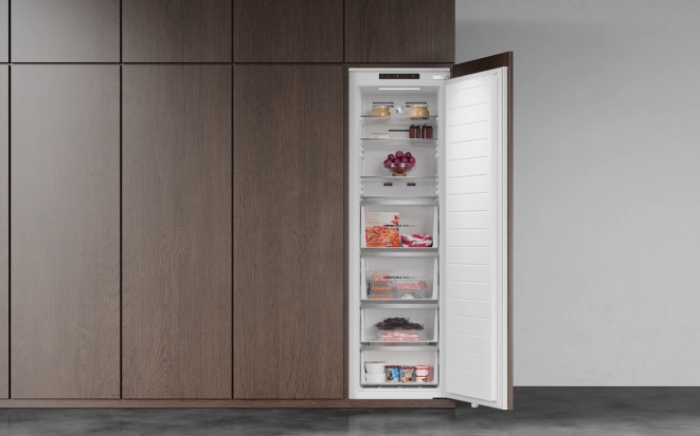
Installation cost and complexity are also worth keeping in mind. Traditional integrated fridges require professional setup, proper tools, and higher upfront costs compared to freestanding alternatives. But once installed, they offer a permanent, long-lasting solution for your kitchen.
Some manufacturers have developed more intuitive systems that considerably cut the time needed to install the appliance. With Teka’s Built-in Max range, installation comes down to just six steps, making the job easier for everyone. Also, reducing the chance of mishaps during fitting (the kind that have you smiling through gritted teeth as you picture ending up with one less corner of your cabinetry or panelling).
Benefit? Fewer complications during the switch and a far smoother installation, with less blood, sweat and tears. And if in a few years you decide to replace the fridge, you’ll be glad you chose a system designed to make this sort of job easier.
Energy efficiency and consumption
A fridge never rests, so efficient consumption matters more than ever these days, both for sustainability and for savings. An integrated fridge with efficient energy consumption by regulatory standards is one of the aspects worth looking at carefully. These models usually bring a series of technological advances that optimise the usual consumption, and it shows in the figures over the medium and long run.
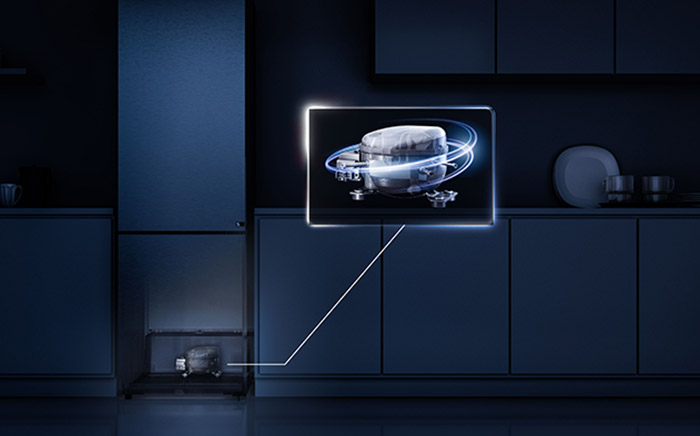
Inverter compressors, for example, automatically adjust their power according to the interior temperature. Rather than constantly switching on and off, they run more steadily, cutting consumption, noise and wear on the motor. It’s also worth checking whether the fridge has smart sensors that quickly restore the temperature after the door has been opened, or systems that keep cooling even throughout the interior, along with quality materials for better insulation.
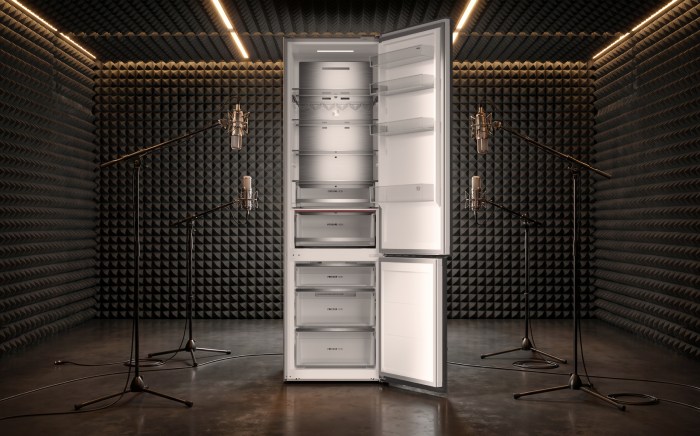
Teka’s Built-in Max line, which we’re taking as our benchmark here, features an Inverter motor built to deliver cooling that is efficient, quiet and backed by a ten-year guarantee. And when we say quiet, we mean models that come in at 29 dB, compared with the 35 dB that is more usual.
Expert tip
If you’re going to use the fridge over the coming decade, which is the norm, it’s worth investing in an efficient model. The difference in consumption between two fridges really does add up as the months go by.
Cooling and food-preservation systems
There was a time when, as long as it kept food cold, we were more or less satisfied. But if you’re going to buy a modern fridge, you’ll notice its functions have improved considerably. They keep food longer and better, which shows up in a part you can see (flavour and a fresher look for longer) and another you can’t, but which is essential: they preserve nutrients and slow down the growth of bacteria.
This is where preservation technologies come in. Total No Frost technology is a system that prevents frost from forming by circulating cold air evenly. As well as never having to defrost the freezer again (tears of joy at that thought), you get a much more stable temperature and better food preservation.
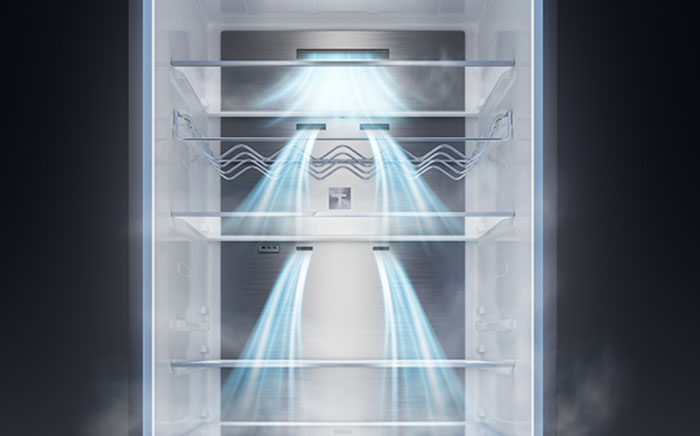
But let’s stay on this lovely road of innovation: AirFlow Control, also from Teka, distributes cold air evenly so that every shelf holds a constant temperature, wherever you place your food. Other systems such as MetalCooling and GlassCooling help restore the interior temperature more quickly after the door has been opened — especially handy in households where the fridge gets more visits than a coffee machine on a Monday morning.
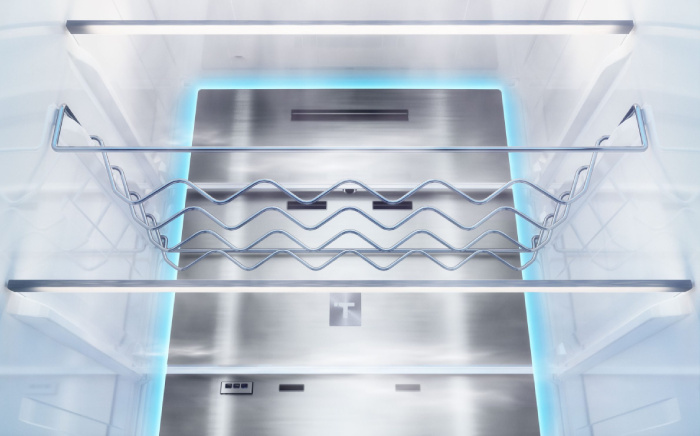
Buil-in Max by Teka
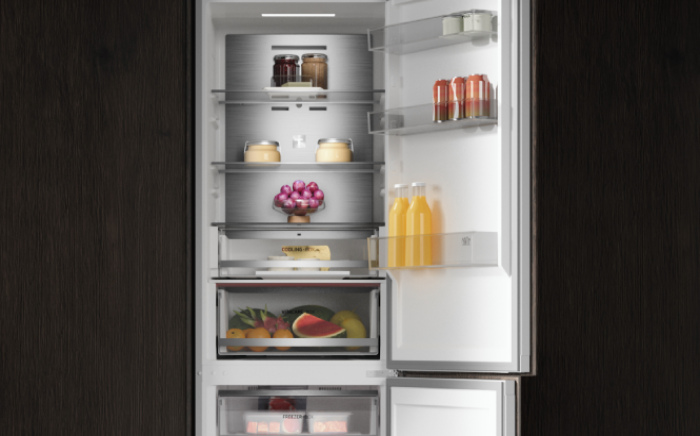
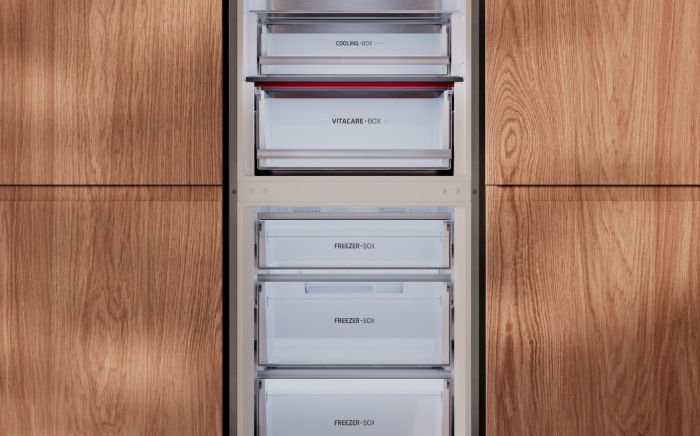
When it comes to Teka’s new Built-in Max fridges, the specialised compartments make a real difference:
- VitaCare Box helps fruit and vegetables retain their natural
- Cooling Box keeps temperatures close to 0°C, ideal for meat and fish.
- FreshBox creates the perfect environment to extend the freshness of fruit and vegetables, preserving nutrients.
- DualTemp Control manages the fridge and freezer temperatures independently, preventing air from passing between the two compartments and stopping your food from tasting… odd.
All these technologies share a common goal: keeping food in good condition for longer so you end up throwing less of it away. And that’s good not just for your wallet, but for more responsible consumption and for your schedule, since you don’t have to go shopping as often.
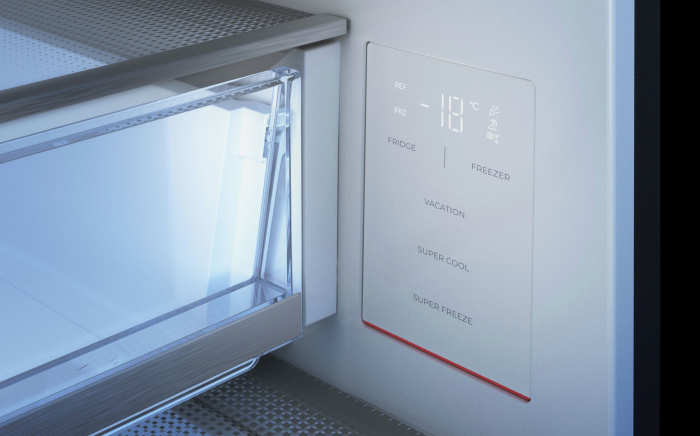
Common mistakes when buying an integrated fridge
When we’re looking for a new fridge, it’s easy to be swayed by the design or by a good offer. There are, however, a few fairly common mistakes worth avoiding.
Choosing a book just for its cover
Yes, an integrated fridge should sit perfectly in the kitchen. But it also has to meet the needs of the people using it every day. Design matters, it just should never be the only criterion.
Getting the capacity wrong
One of the most common mistakes is going too small. If you cook regularly or do a weekly shop, having a few extra litres can make a real difference to a household’s daily routine.
Overlooking the installation
Not all systems are equally straightforward. Finding out about the type of fitting beforehand can prevent delays during the renovation and make future replacements easier. If nothing else, it tells you what you’re in for when the fridge comes through the door (and while you’re at it, make sure it can actually fit through your doors and all the way to the kitchen, literally).
Thinking only about the price
A high price isn’t always a guarantee of top quality. But a low one, however tempting, doesn’t always pay off in the long run: it can mean a shorter lifespan and more limited features. Sit down and weigh up what you really need, before price becomes the only deciding factor when buying a fridge.
Not taking the technology into account
Features such as Total No Frost, independent cooling systems or dedicated compartments for different types of food aren’t mere extras. They’re technologies designed to make your life easier and help you get more out of every shop.
What is the best integrated fridge?
Short answer, simple answer: the best integrated fridge is the one that best suits the way you live. There’s no universal model that works for every household, but there are features worth prioritising:
- Technologies that keep food fresh for longer.
- A practical, flexible interior that’s easy to keep
- Good usable capacity.
- Solid energy efficiency.
- Quiet, reliable
- A straightforward installation system.
An integrated fridge no longer means giving up space. You can gain comfort, efficiency and capacity without disrupting the look of your kitchen.
Frequently asked questions
Does an integrated fridge take up less room than a freestanding one?
Not necessarily. What changes is the way it blends in with your units. What really matters is the usable capacity. Thanks to advances in design, many of today’s integrated fridges make far better use of the interior space. Their capacity is now comparable to (or greater than that) other models of similar dimensions.
Can you switch brands when replacing an integrated fridge?
Yes, though before you do it’s worth checking the dimensions of the recess, the door-fixing system and the installation specifications. And remember: if you need to buy a spare part, not all of them make these easily available.
What maintenance does an integrated fridge need?
Maintenance is much the same as for any other fridge. It’s enough to clean the interior regularly, check the door seals and keep the ventilation areas clear. A build-up of matter on any of these parts (dirt, basically) can have a direct effect on how it cools. In fact, if you are thinking of repairing or buying a new fridge because yours isn’t cooling, first check whether it could be related to cleaning. Just as important here: remember to organise your food well and not overload the interior, to help the cold air circulate and keep everything running at its best. If you don’t give the fridge the little it asks for, don’t expect it to work as it should.
Do make Total No Frost one of your must-haves when buying a new fridge (honestly, never having to defrost again is a tremendous relief).
Choose well today to enjoy it for years
A fridge is one of those appliances that rarely gets a mention, until it fails and turns into a full-blown drama. While everything works as it should, it’s simply part of the routine: it keeps your food, organises the shopping and is there every time you open the kitchen door. That’s exactly why it’s worth spending a few minutes choosing it well. A well-designed kitchen isn’t just the one that looks like it belongs in an interiors magazine. It’s the one that makes things easier. And when an appliance blends into your kitchen so well that you barely notice it, yet makes your daily life better, you know you’ve made the right choice.